Nadia Ellison, Specs & warranty editor
I'm the specs and warranty editor, so I spend a lot of time in documents most people skip: ENERGY STAR listings, Integrated Energy Factor figures, the low-temperature line in the manual, the warranty PDF with its list of exclusions.
The badge on a product photo doesn't count for much with me. I look the exact model number up in the ENERGY STAR product finder, because one brand can have a qualified unit and three that aren't. Warranties are similar. A "five-year warranty" often means five years on the sealed system and one year on everything else, with shipping at your cost. I read the whole thing and put the short version on the page.
Cold basements are my other subject. Plenty of units are rated at warm, humid conditions and say very little about what happens near 50 °F. When the manual gives an operating range or a defrost note, I quote it. When it doesn't, I say that too.
I also keep the cleaning guide close to what manufacturers actually ask for, filter by filter. None of this involves running the units myself. It's reading, comparing, and being stubborn about the fine print.
Areas of expertise
- ENERGY STAR data and Integrated Energy Factor
- Warranty terms and exclusions
- Cold basements, low-temperature limits and defrost
- Filters, buckets and maintenance schedules
How I work
- I look up the exact model number in the ENERGY STAR product finder instead of trusting a badge in the photos.
- I read the full warranty terms: what's covered, for how long, who pays shipping, and what voids it.
- I compare low-temperature limits and defrost notes from the manual, not the marketing copy.
- When a number is missing from the paperwork, the page says so.
Articles by Nadia Ellison
Written
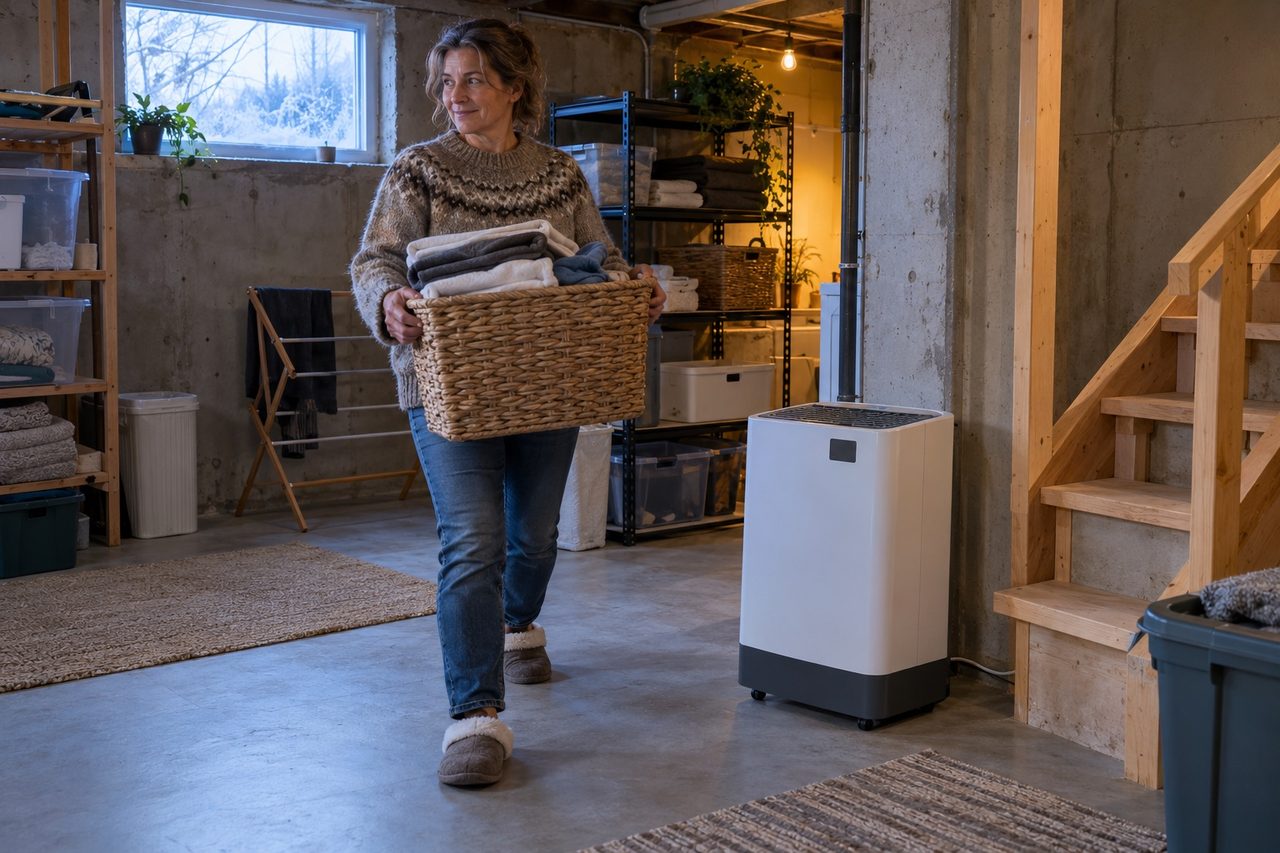 Basement humidity
Cold basement dehumidifier guide: running one below 65 °F
Check room temperature, defrost behavior and exact operating limits before expecting a compressor dehumidifier to perform.
Read the guide Basement humidity
How to clean a dehumidifier: filter, bucket and drain
Organize filter, bucket and drainage maintenance around your exact appliance manual without improvising repairs.
Read the guide Basement humidity
ENERGY STAR dehumidifiers: how to compare efficiency
Use exact-model certification and Integrated Energy Factor without confusing efficiency with suitability.
Read the guideEdited
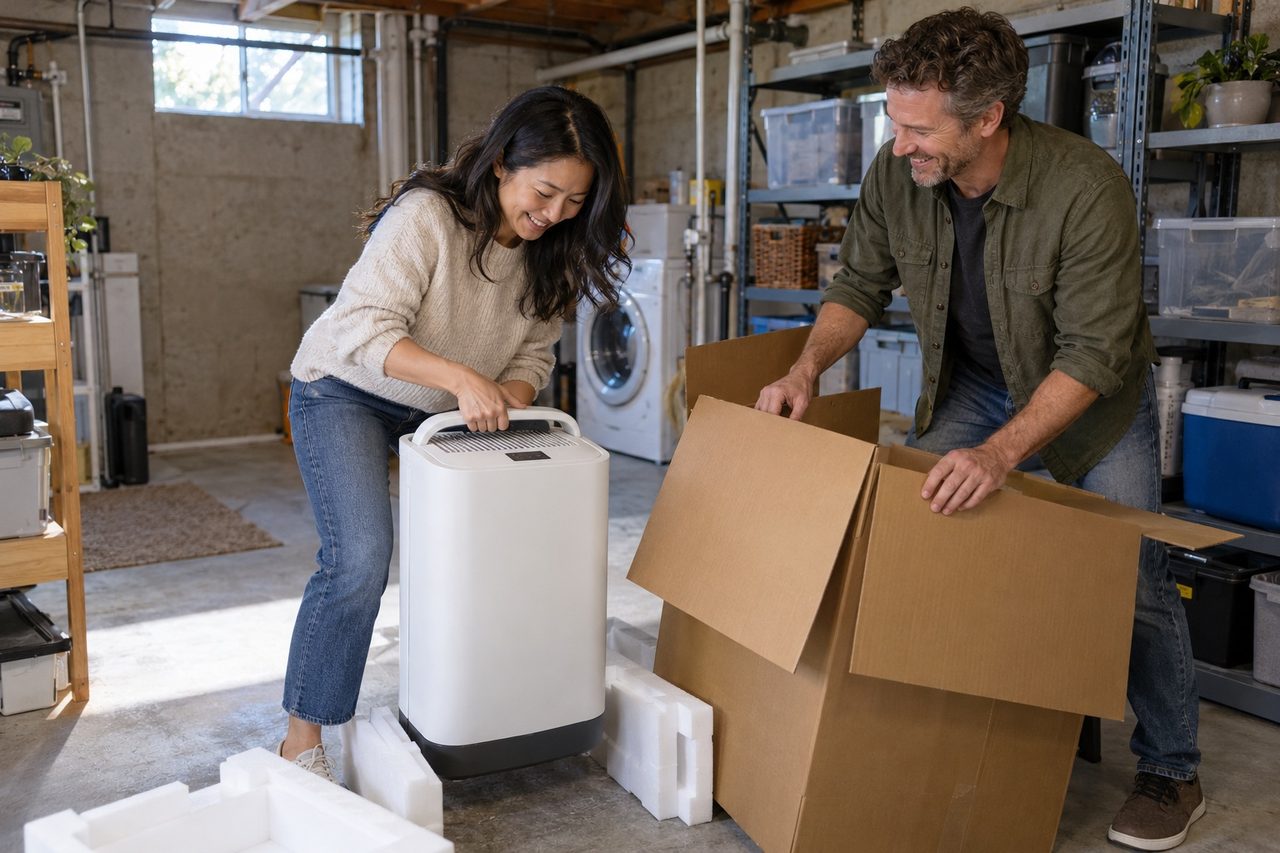 Basement humidity
How to choose a basement dehumidifier: start with the room
A practical buying sequence covering moisture sources, capacity, temperature, drainage and model verification.
Read the guide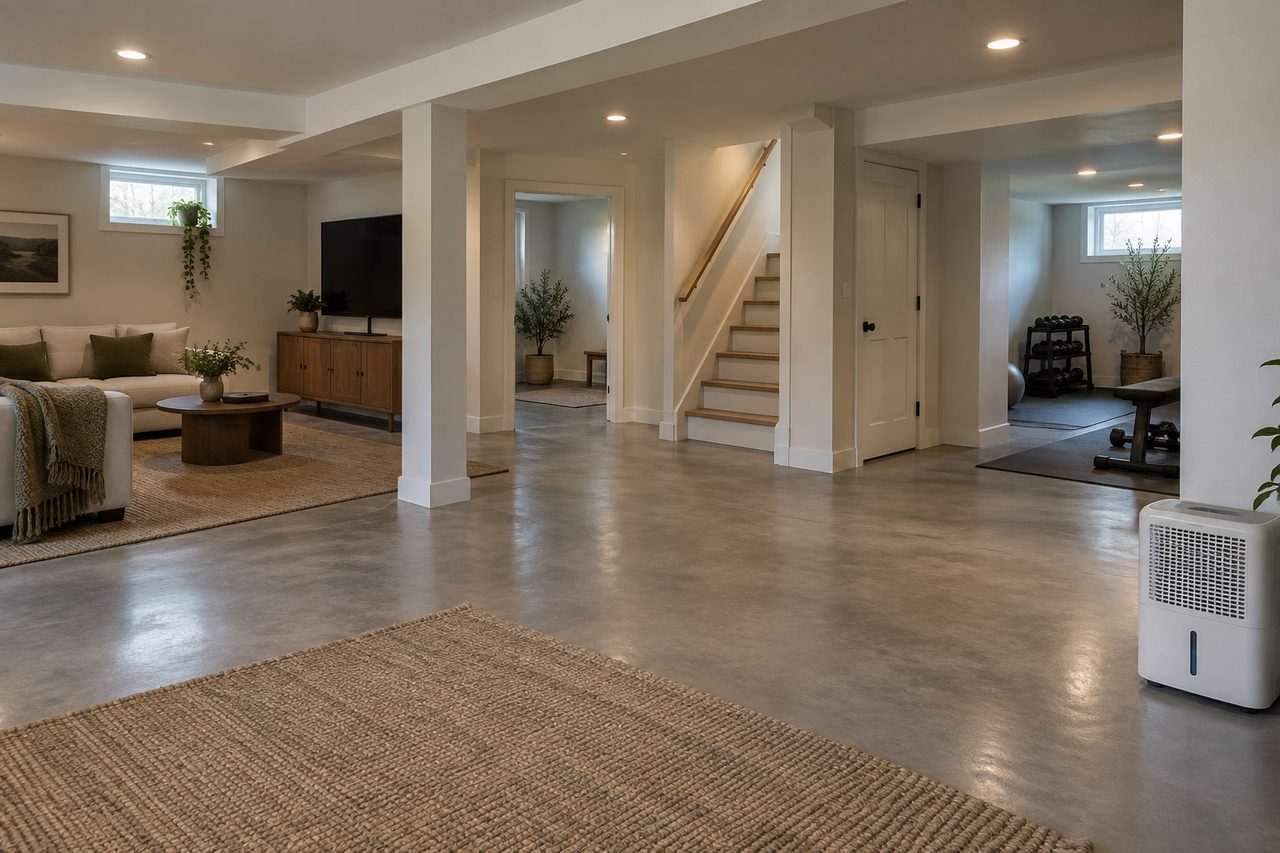 Basement humidity
Dehumidifier size chart: how many pints do you need?
Separate extraction capacity, bucket volume and floor coverage when sizing a basement dehumidifier.
Read the guideHow we compare and rate the units is explained on How we rate. The rest of the team: Our editors.