A humidity setting is a control input, not a certificate that every basement surface is dry. Start with repeatable measurements and a practical target, then check the difficult corners as well as the appliance display. The aim is stable moisture control without overlooking leaks or repeatedly changing settings in response to normal short-term variation.
Use a range rather than a magic number
The EPA advises keeping indoor relative humidity below 60 percent, ideally between 30 and 50 percent when possible. ENERGY STAR also describes 30-50 percent as a generally appropriate building range. These are general moisture-control references, not a promise that one setting prevents every mold problem in every climate.
A practical starting point is to choose a setting within the recommended range and observe the result. Do not assume that driving the setting to its minimum is automatically better. Cold surfaces, localized leaks and enclosed cavities can remain problematic even when a nearby sensor gives a reassuring number. Treat condensation and material damage as observations that require attention in their own right.
| Source | Guidance |
|---|---|
| EPA | Below 60 percent, ideally 30–50 percent when possible |
| ENERGY STAR | 30–50 percent as a generally appropriate range |
| Both | General references, not a mold-prevention guarantee |
Put the measurement in context
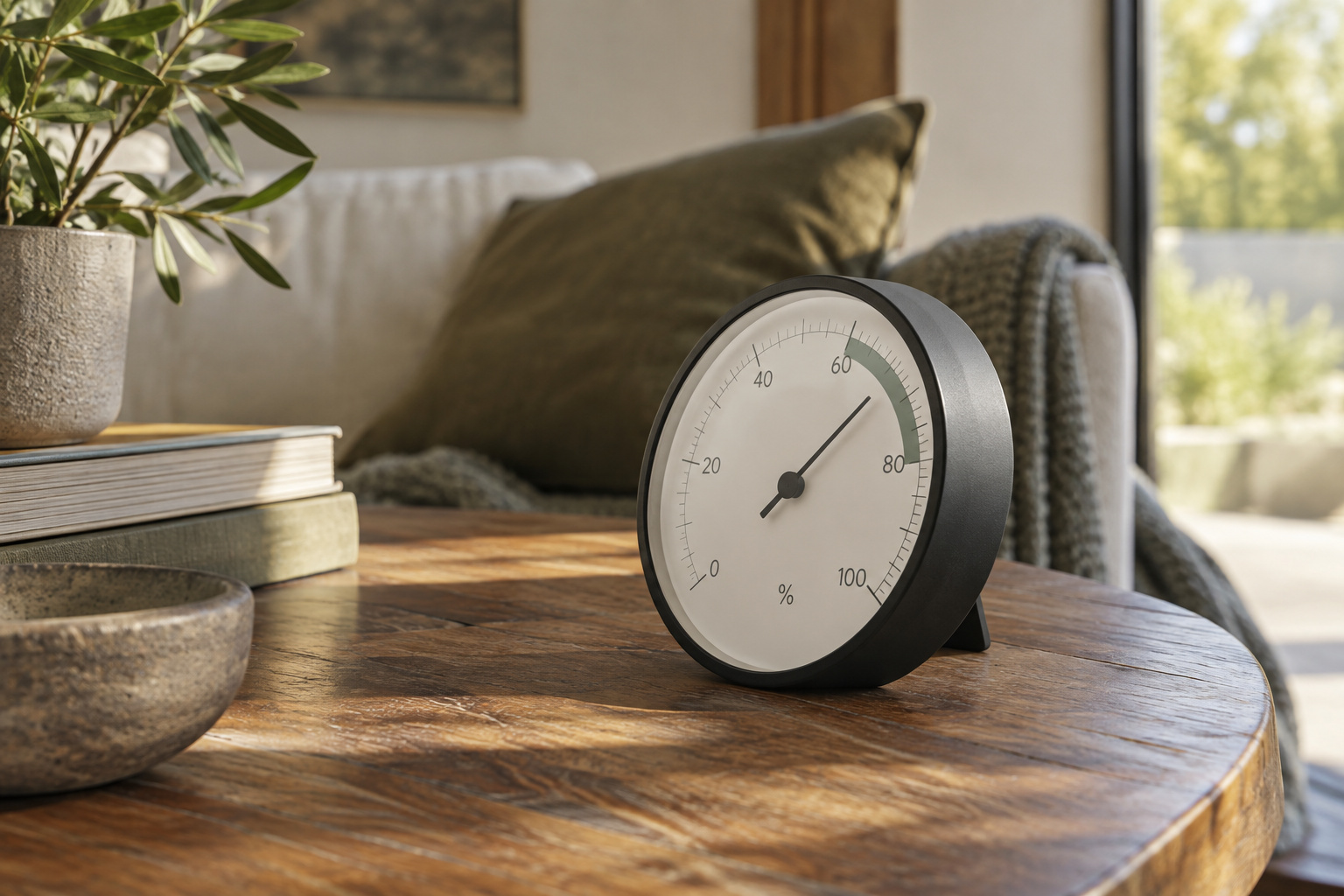
Relative humidity changes with temperature, so write down both when you can. Use the same measurement locations and a similar routine when comparing days. Avoid interpreting a sensor reading immediately after moving it from a different room; follow its instructions for settling and placement. Keep it away from the direct discharge stream if your aim is to understand room conditions.
Compare the occupied or storage area with the corner that concerns you. If a remote room consistently differs, inspect the circulation path before changing the whole basement target. A closed closet is not necessarily controlled by an appliance across the room. Our placement guide explains why access to room air matters as much as a central-looking position.

Read the display and operating mode carefully
A control panel may show the selected setting while you press buttons, then return to a measured humidity value. It may also offer a continuous mode that behaves differently from humidistat control. Look at the legend and manual rather than assuming that every displayed number is a live room measurement. The GE APEL50-family manual used in our research illustrates these distinctions; its controls and stated accuracy are not universal specifications.
Make one deliberate adjustment, record it and allow the appliance to operate according to its manual before drawing conclusions. Repeatedly lowering the setting every few minutes makes your observations harder to interpret. Check whether the bucket is full or a drain alarm has stopped collection. A selected target cannot do anything when the machine is waiting for attention.
Investigate a target that is never reached
Check obvious constraints first: open exterior doors, an obstructed filter, blocked discharge, an unsuitable operating temperature or a drainage interruption. Record whether the appliance is collecting water and whether conditions change when a known moisture source is inactive. These observations help distinguish an installation problem from a capacity question without opening the cabinet.
Use our cold-basement guide if the room cools substantially, and the sizing guide if a properly installed unit runs persistently without controlling humidity. Do not diagnose low refrigerant or a failed compressor from room humidity alone. Exact error codes and manufacturer troubleshooting instructions should determine when to seek service.
Keep the target connected to the building
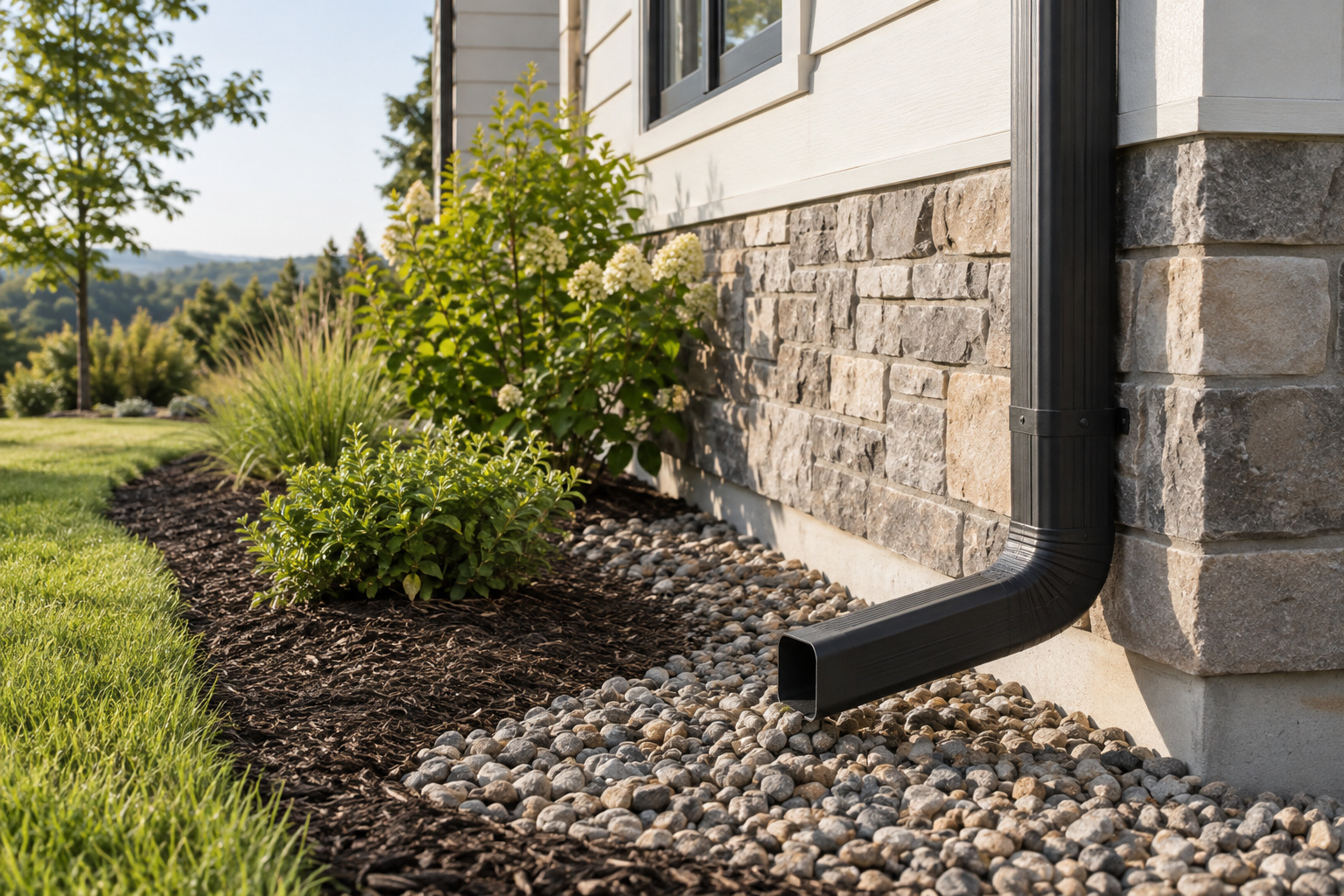
Inspect pipes, window wells, drainage around the foundation and any visible water entry. Record where stored boxes touch cold walls or floors and whether their condition changes. This is not a reason to move damaged possessions into another occupied room without considering contamination; it is a reminder that room air readings and material condition answer different questions.
If you already see mold, follow the EPA's cleanup guidance and obtain appropriate help for extensive damage, contaminated water or health concerns. Lower humidity does not remove existing contamination. Build a simple log with:
- Date and weather
- Room temperature and relative humidity
- Selected setting
- Water collection
Review the trend before another equipment purchase. The troubleshooting sequence can turn that log into a useful conversation with a building professional.
Build a measurement routine you can repeat
Choose two or three representative locations and write them down precisely enough to find again. One might be the main storage area, another the colder exterior-wall side and another a room separated by a door. Record whether the doors are open. Repeating the same routine makes readings easier to compare than moving a sensor to whichever place feels damp that day. Use a simple table with one row per observation. Include the selected setting separately from the measured reading, and add a note for unusual conditions such as a rainstorm or laundry drying. If two sensors disagree, check their stated accuracy and placement before deciding that the appliance is faulty. A small display difference does not by itself establish which sensor is correct. At review time, ask whether the troublesome area is improving under comparable conditions and whether visible condensation or water entry persists. Those are different questions. Bring both sets of observations to a manufacturer or building professional rather than presenting only the lowest number you have seen. The routine should support a decision, not become an endless search for one perfect reading.